In June, access to Claude was cut. Here is why it matters to us
Mid-June 2026, Washington restricts the latest Anthropic models. Brussels releases a sovereignty package. What it changes, concretely, for an SME.
 Souveraineté
Until June 2026, “sovereign AI” was a conference word. A CAC 40 CIO topic. Not for an assistant pasting a mail into ChatGPT between two meetings.
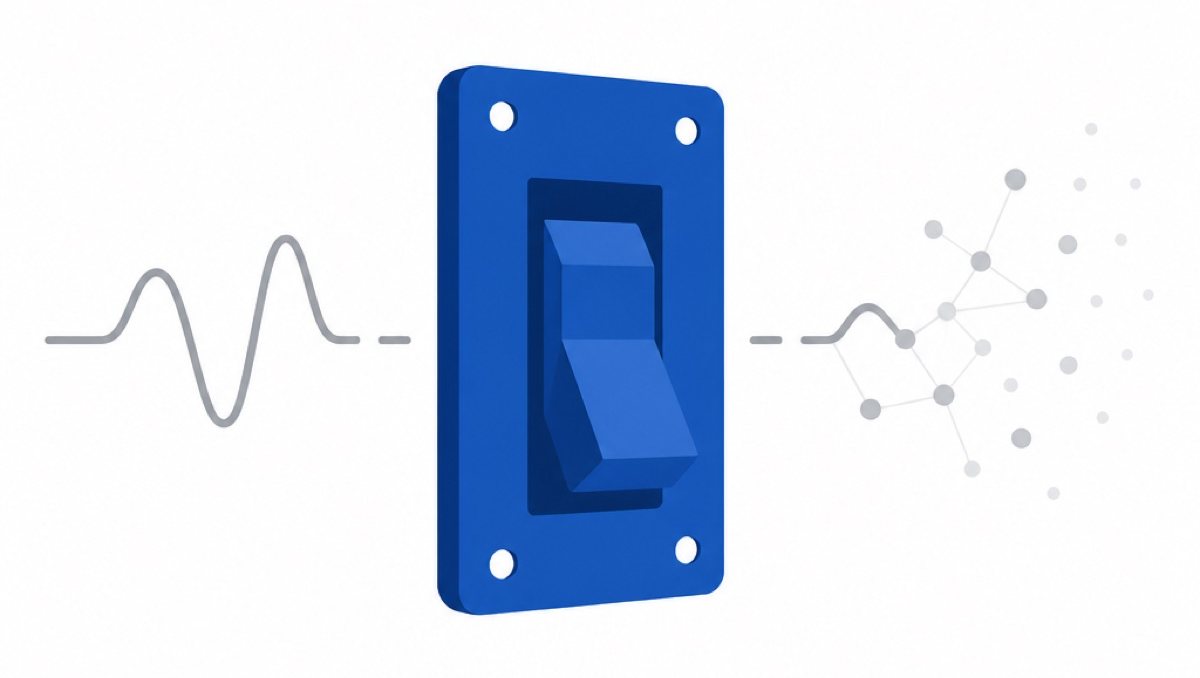
Then the rules changed in eight days. Not a white paper. A switch.
What happened in June (without jargon)
3 June — The European Commission presents its technological sovereignty package: semiconductors, cloud, AI, open source. Ursula von der Leyen says plainly: we cannot depend on others for the tech running hospitals, energy, services.
Week of 12 June — Washington restricts access to the latest Anthropic models to US nationals, including employees abroad (VivaTech / Euronews). It is no longer “we discuss terms”. It is: the tap can close.
17 June — In Paris, at VivaTech, France and Germany call to build that sovereignty now. German minister Karsten Wildberger sums it up better than any slide: rules can change overnight; sovereignty is being able to act when that happens. Around the show, Paris accelerates on state tools (moving away from US analysis tools toward European actors). Signal, not an SME operational detail — but the signal is clear.
19 June — The Commission designates the EUROPA consortium for an open-source European AI model in the 24 official languages. Long, technical, far from your inbox. Worth remembering: Europe stopped only talking about an alternative.
It is not geopolitics. It is your Monday morning.
If your team drafts quotes, meeting notes, or follow-ups in a tool whose parent is in the United States, you signed an implicit contract: as long as Washington (or the vendor) agrees, it works.
In June we saw that agreement is not a right. It is permission.
Three consequences for an SME, without waiting for 2029 or a European public tender:
- A tool can vanish overnight — not just “raise prices”. Vanish. Processes glued to it (macros, habits, “we always ask Claude”) stop with it.
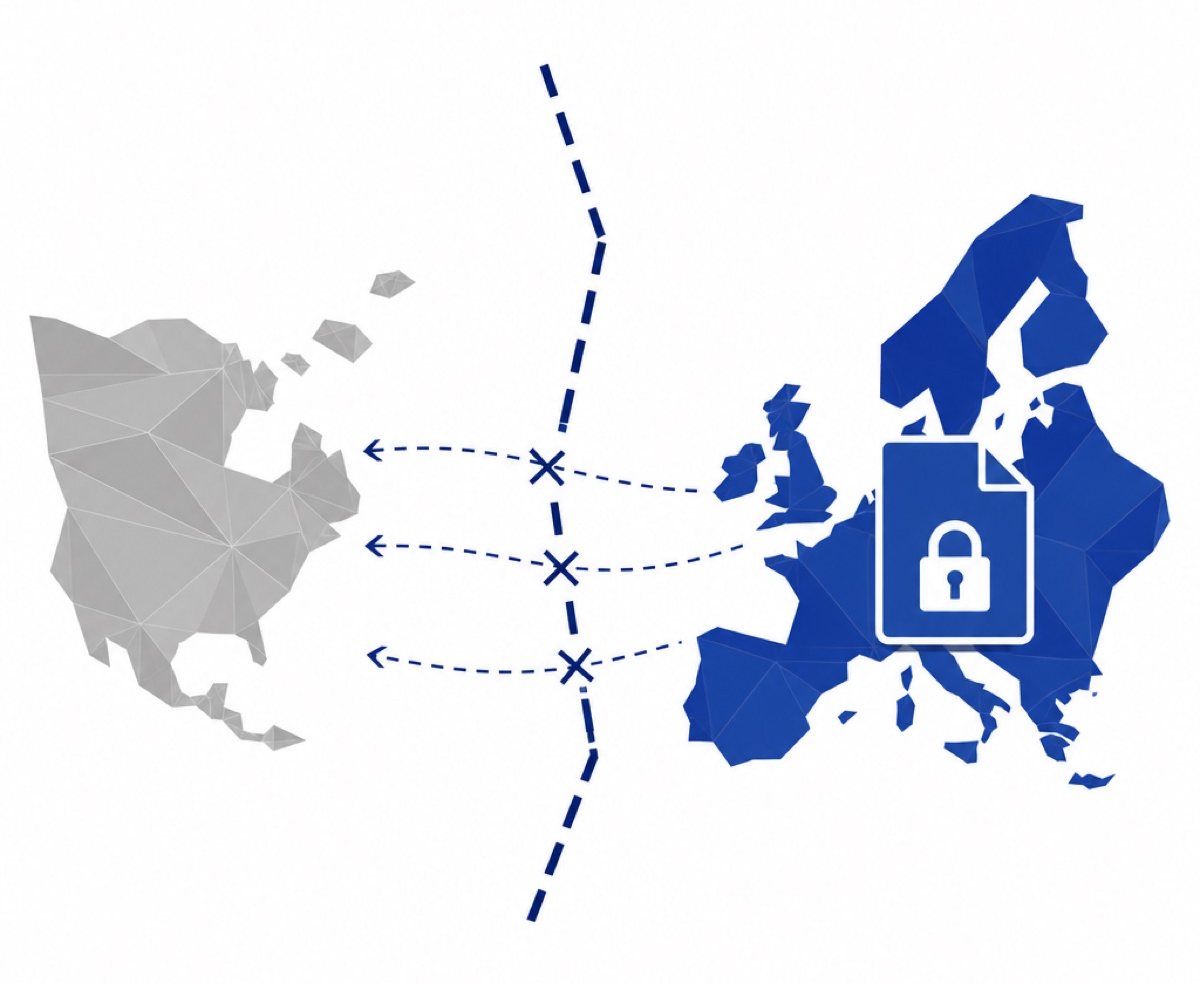
- The CLOUD Act did not disappear because the server is in Frankfurt. A local subsidiary of a US group stays in scope. We wrote that here. June did not invent the risk. June made it visible.
- “We’ll see later” is no longer a strategy. Later is the day the model you depend on is no longer served in Europe.
What we are not asking you to do
We are not asking you to boycott the United States, rewrite your IT in six weeks, or wait for the open-source model in 24 languages.
We are asking for a written rule, the level of “we do not put payslips on WeTransfer”:
- No client data, no internal mail, no contract in a consumer chatbot whose hosting and prompt fate you do not control.
- An assistant installed at your premises, local index, inference on private infrastructure in your country — that is AroBox’s job.
That is not protectionism. It is Wildberger’s sentence, translated into an assistant’s process: still be able to work if the cloud across the way changes the rules.
Where to start this week
Not a “2030 sovereignty plan”. Three moves:
- List where your text already goes (ChatGPT, Copilot, Claude, Gemini — the four corners of the open tab).
- Cut the “I paste, we’ll see” reflex. One sentence in internal rules is enough.
- Try a tool where documents and index stay on a box at your premises. Question and useful excerpts go encrypted to Arobass infrastructure. 15-day trial, quote-based offer.
June settled the theoretical debate. The rest is execution.
Request an AroBox trial — we install, index your mail and files, and the switch across the way no longer kills your day.
15-day trial
See AroBox on your real documents
No commitment. We’ll tell you honestly if it fits your business.
Request a trial